Three Weeks, One Walk-In Cooler: The Quiet Chaos of New Hampshire's Turkey Season
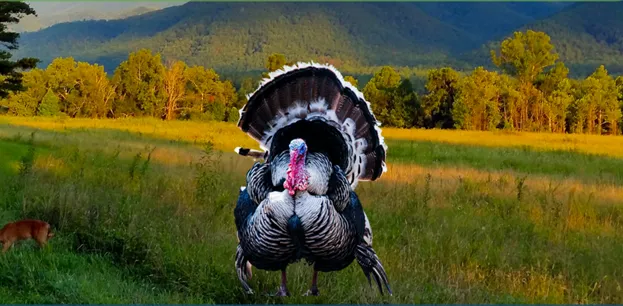
Photo: pasture raised turkeys New England farm autumn, via images.squarespace-cdn.com
The sign went up in mid-October, hand-lettered on a piece of plywood by the farm stand's register: TURKEYS SOLD OUT. THANK YOU. By then, the reservation list had been closed for almost a month.
If you've never tried to buy a pasture-raised turkey in New Hampshire, that sign might read like a marketing stunt. It isn't. It's just math. A small farm can raise only so many birds, and the families who order them — many of the same families, year after year — start calling in September.
The List Is Everything
At a small farm outside Concord (the farmer asked me not to name it — she doesn't need more customers, she needs more hours in the day), the turkey operation runs on a legal pad. Not a spreadsheet. A legal pad, with names in pencil, some going back so many years they're just first names and a phone area code.
"People get weird about it," the farmer told me, laughing. "I'll have someone call in August. August! And I get it, because if you miss the window, you're standing in the grocery store cold case two days before Thanksgiving like everyone else, and after you've had a real bird, that feels like a punishment."
The reservation system is simple: deposit down, bird reserved, pickup window assigned. The pickup windows are the part that surprises newcomers. There are no drop-ins during turkey week. You come when the farm says to come, usually a tight slot on the Tuesday or Wednesday before the holiday, and if you can't make it, you send someone who can.
Butchering Week Is a Whole Thing
Three weeks before Thanksgiving, the farm transforms. The butchering schedule alone is a logistics puzzle — processing must happen close enough to the holiday that birds stay fresh, but spaced out enough that the crew isn't processing four hundred birds in a single day.
The rhythm goes like this: two long processing days, then a stretch of chilling and resting the birds in the walk-in cooler, then the steady drumbeat of pickups. In between, there are the inevitable complications. A bird that came out smaller than expected. A customer who ordered for twelve and calls asking to size up to a twenty-pounder because the in-laws are coming after all. The farmer swaps birds on the legal pad like a hotel manager juggling rooms.
"Every year somebody cries at pickup," she said. "Not sad cries. It's just — people have been coming here since their kids were in car seats. Now the kids are driving themselves over to pick up the turkey."
Why People Refuse the Supermarket Bird
Talk to the customers in the pickup line and you'll hear the same reasons, phrased a dozen different ways. The texture. The flavor. The fact that the bird had a life that ended about forty-eight hours before it landed on the table, rather than an indefinite deep-freeze existence.
One man from Bow has been buying from the farm for eleven years. "The first year, I paid triple what I'd pay at the store and thought I was an idiot," he said, hoisting his bird into the back of his Subaru. "Then I tasted it. Now my mother-in-law asks about the turkey before she asks about the grandchildren."
There's also the freshness math that regulars know well: a pasture-raised bird processed Tuesday is in your oven Thursday, never frozen, never gassed, never sitting in a shrink-wrapped bath of solution. The breast meat is denser, the fat different. It cooks faster, which throws off first-timers every single year — the farmer sends home a card with every bird warning about it.
The Economics Nobody Talks About
Here's what the pickup line doesn't see: a pasture-raised turkey costs the farm real money for most of a year. Chicks arrive in early summer. Feed, fencing, predator losses, labor through a New Hampshire summer and a cold snap in October — all of it lands on a bird that sells for a price that sounds high until you do the arithmetic.
"People think we're getting rich off Thanksgiving," the farmer said. "We're getting through the winter off Thanksgiving. That's the difference."
The sell-out model isn't greed; it's survival. Raising more birds than the list supports means gambling on strangers. Raising fewer means turning people away in October, which the farmer hates doing but has learned to accept. "Better than birds in the cooler with no homes in November," she shrugged.
How to Get In Next Year
If this all sounds like something you want in on, the advice from every farmer I spoke with is the same and it is not complicated: call early. Like, Labor Day early. Find your local farm stand or check the state's seacoast and farm bureau directories for poultry producers near you, get on the list, pay the deposit, and put the pickup window in your calendar like it's a dentist appointment you actually want to attend.
And when you show up — because you will, eventually, after a year or two on the waitlist — take a look at that legal pad. Your name will be on it, in pencil, next to a bird that spent the summer on grass a few miles from your table.
That's the whole economy, really. Small birds, small farms, big loyalty. The plywood sign goes up every October, and every October it means the same thing: see you next year.