Knock Twice: How New Hampshire's Underground Supper Clubs Actually Work
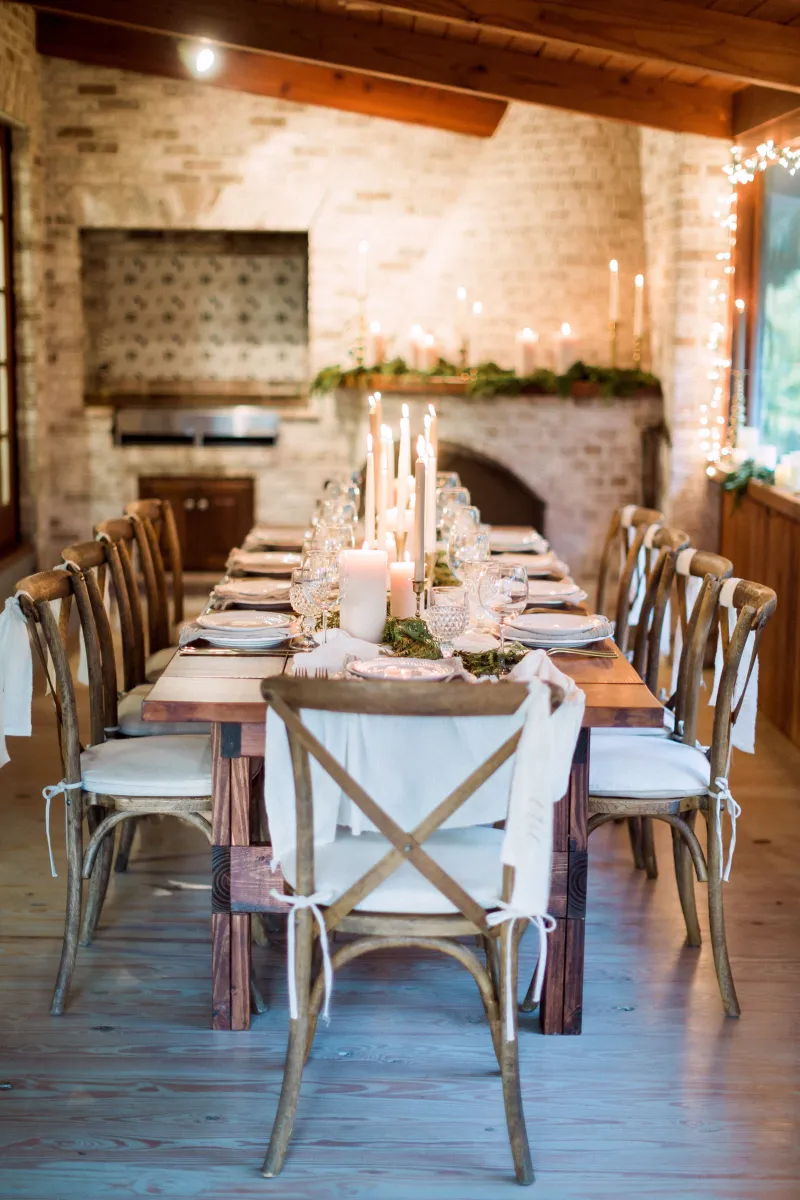
Photo: candlelit dinner party in rustic barn long table communal dining, via i.pinimg.com
The email arrives on a Tuesday. No restaurant name, no address—just a date, a suggested donation, and a reminder to bring your own wine and warm boots. Two weeks later, you're pulling down a dirt road in Tamworth, headlights sweeping across a barn that smells of woodsmoke and brown butter, joining forty strangers who all got the same cryptic message.
Welcome to New Hampshire's secret supper scene.
No Signs, No Reservations, No Problem
Officially, these gatherings exist in a gray zone—private events rather than restaurants, which is how they've operated for years. Unofficially, they're the most exciting meals in the state.
"We're not trying to compete with restaurants," says one host, who asked to be identified only by her first name, Sarah, because her farmhouse dinners book out within hours of each announcement. "We're doing something restaurants can't. I cook what I harvested that week, in the room where it was grown, for people who are genuinely curious."
The format varies wildly. Some hosts run formal five-course affairs with printed menus and paired pours. Others are potluck-adjacent, with a roasted pig as the anchor and guests bringing sides. What they share is intimacy: twenty to fifty seats, one seating, and no menu revealed until you're sitting down.
The Venue Is the Secret Ingredient
New Hampshire's geography makes this scene possible in a way it wouldn't be in Boston or Portland. Old barns with commercial-grade kitchens. Ski lodges that sit empty on October weekends. Breweries with taproom kitchens that go dark after the dinner rush.
A recurring favorite among regulars: a pop-up series that takes over a North Country brewery once a quarter, where the brewer and a traveling chef build a menu around a single collaboration—last winter it was a smoked porter braised short rib with a side of "whatever the chef found at the Laconia winter market."
"The venue does half the work," the chef behind that series told us. "You can't replicate the feeling of eating a twelve-seat dinner inside a working cidery. People remember the room as much as the food."
How Do You Actually Get In?
Here's the part everyone wants to know. There's no website, no directory, no Map of Secret Dinners. Access runs through relationships and reputation.
The typical entry points:
- Follow the chefs. Pop-up hosts almost always announce on personal Instagram accounts, not business pages, and posts disappear fast. Stories, especially.
- Talk to farm stand owners. They know who's buying what in bulk and why. The person purchasing forty pounds of pork shoulder for a Saturday is not catering a wedding.
- Show up to the public events. Most underground hosts do one visible thing—a market stall, a brewery collab, a cooking class—as a funnel for finding their audience.
- Be a good guest. This scene is small, and word travels. Show up on time, bring the wine you promised, and don't post the location. Do that twice and you'll be on the next list.
"The etiquette matters," says a Concord regular who's attended a dozen events over five years. "You're in someone's home or someone's borrowed space. You offer to help clear. You ask before you photograph anything. The people who treat it like a free show don't get invited back."
Why Here, Why Now?
Every region has underground dinners, but the hosts we spoke to agree New Hampshire has a particular advantage: proximity without pretension. Chefs trained in Boston or New York move north for a slower life but keep the technique. Farms are close enough that a menu can be decided the morning of. And the state's food community is genuinely tight-knit—everyone knows everyone, which means trust spreads quickly and bad actors don't last.
There's also a practical driver. The restaurant economics that pushed chefs toward pop-ups nationally hit rural states even harder. A barn dinner with prepaid seats removes the risk that sinks a brick-and-mortar.
"I make more per plate than I ever did running a kitchen, and I go to bed at eleven," one former line cook turned supper club host told us, laughing. "Everyone's winning."
A Word to the Curious
If this all sounds exclusive, the hosts insist it isn't—not really. The secrecy is about capacity, not status. Nobody can fit fifty people in a farmhouse; the mystery is a side effect of the math.
So start paying attention. Linger at the farmers' market. Follow the chefs whose food you loved at that ski lodge restaurant. When the Tuesday email finally arrives, respond fast, bring a bottle of something local, and be prepared to make friends with the strangers at your table.
In New Hampshire's hidden dining scene, that's how it's always worked: knock twice, wipe your boots, and pass the bread.