While You Were Sleeping: The 6 A.M. Ritual That Decides What New Hampshire Eats Tomorrow
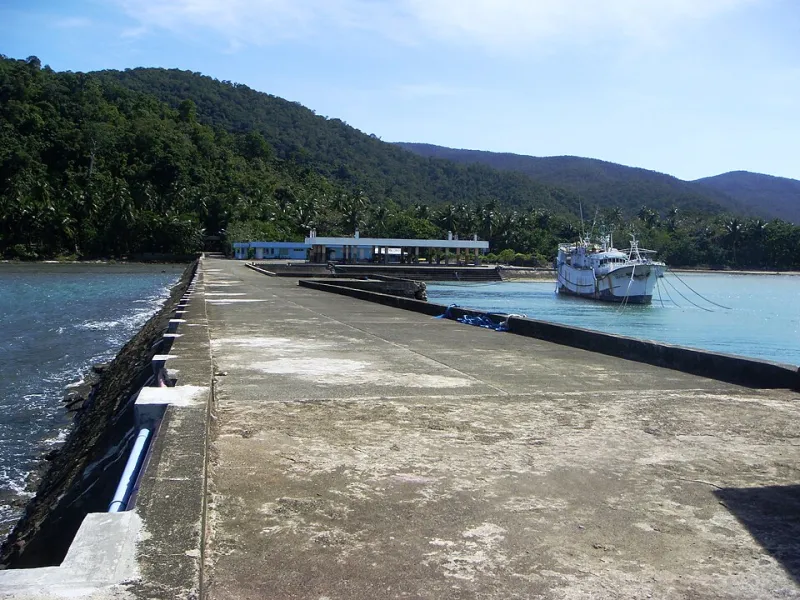
Photo: Ramon FVelasquez, CC BY-SA 3.0, via Wikimedia Commons
It's still dark when the trucks start backing down to the wharf in Portsmouth. The streetlights catch the mist coming off the Piscataqua River, and the smell hits you before anything else does — briny, metallic, alive. By 6 a.m., the day's fish auction is already underway, and most of the state hasn't even brewed its first pot of coffee.
This is the invisible shift. The one nobody photographs for the menu.
A Fleet So Small It Shouldn't Work — But Does
New Hampshire has the shortest coastline of any coastal state in the country. Eighteen miles, give or take. The commercial fleet that works it is tiny compared to Gloucester or New Bedford — a few dozen boats, many of them family-run for generations, based out of Portsmouth, Hampton, and Rye.
And yet the seafood that comes over the rails of those boats ends up in some of the most coveted dining rooms in New England. How? Short distances and fast decisions. A cod landed at dawn in Portsmouth can be on a plate in Manchester by dinner service the same day. In the world of seafood, that's not just freshness — it's a competitive advantage.
"We're not trying to out-fish anyone," one Seacoast deckhand told me, hauling tubs off the boat. "We're trying to out-pace them."
The Auction Floor at First Light
The auction itself is a controlled chaos of headlamps and handshakes. Buyers from restaurants, markets, and distributors move down the line of totes — haddock, pollock, redfish, the occasional prized monkfish — inspecting gills, eyes, and bellies with the speed of appraisers at an estate sale.
The fish are graded by texture and clarity of the eye, the color of the gills, how the flesh springs back when pressed. To the untrained observer it looks like a ritual. To the buyers, it's arithmetic: what will hold up on the line tonight, what should be sold today, what deserves a dry-ice ride to Boston.
Brokers work the phones the whole time, matching what's on the dock to what chefs called in the night before. A chef in Portsmouth who wants day-boat haddock for Friday specials has usually made that request 24 hours earlier — without ever setting foot on a boat.
From Pier to Pass: The Chef's Side of the Bargain
For New Hampshire chefs, buying off the local fleet isn't a marketing gimmick. It's a workflow.
"You build your menu around the call, not the other way around," says one Seacoast chef, who texts his fishmonger from the pier most mornings. If the boats came in heavy on redfish and light on haddock, the special board changes. The menu is a suggestion; the tide is the contract.
That's why so many Granite State dining rooms list the boat, the port, or even the captain on the menu. It's not virtue signaling — it's provenance, and in a state this small, everybody knows everybody anyway.
The seasonal rhythm matters too. Spring brings the first runs of cod and the opening of lobster season. Summer is peak day-boat everything. Fall, when the crowds thin out, is when locals say the fish is actually at its best — the water's cold, the fish are fat, and the chefs have more time to cook.
How to Buy Like a Chef (Without a Chef's License)
Here's the part most people don't realize: you don't need to run a restaurant to get in on this. The same pier that supplies the white tablecloths will sell to you.
- Go early, go direct. Seacoast fish markets and co-ops in Portsmouth, Hampton, and Rye often sell the morning's landings straight off the dock. Arrive before 10 a.m. and you're getting fish that was swimming fewer than 12 hours ago.
- Ask what came in, not what's on the list. The handwritten chalkboard is a starting point, not a menu. The best purchases are whatever the boats happened to land overnight.
- Learn the eyes. Clear, bright eyes and deep-red gills are the two fastest tells of genuinely fresh fish. If it smells like the ocean at low tide — clean and salty, not sour — you're good.
- Buy whole when you can. Whole fish is cheaper per pound, keeps longer, and a decent fishmonger will break it down for you in about ninety seconds.
- Make friends. This is a small industry built on handshakes. Tell the market what you're cooking. Next week, they'll set aside the good stuff before it hits the case.
Why It Matters
A tiny fleet with short runs and fast turnover doesn't just feed good restaurants — it keeps a working waterfront alive. Every tote of haddock sold at the pier is a few more dollars keeping a boat fueled, a deckhand paid, a family business on the water for another season.
So the next time you're handed a plate of seared day-boat haddock in Portsmouth or a fish taco in Manchester, spare a thought for the shift that started at midnight and ended before you woke up. The Granite State's best ingredient isn't grown in a field or aged in a barrel.
It's hauled out of the dark Atlantic, handed across a dock in the fog, and sold before sunrise — to whoever knows to show up.