Marquette Weather: Inside the Gritty, Grape-Stained World of New Hampshire Winter Winemaking
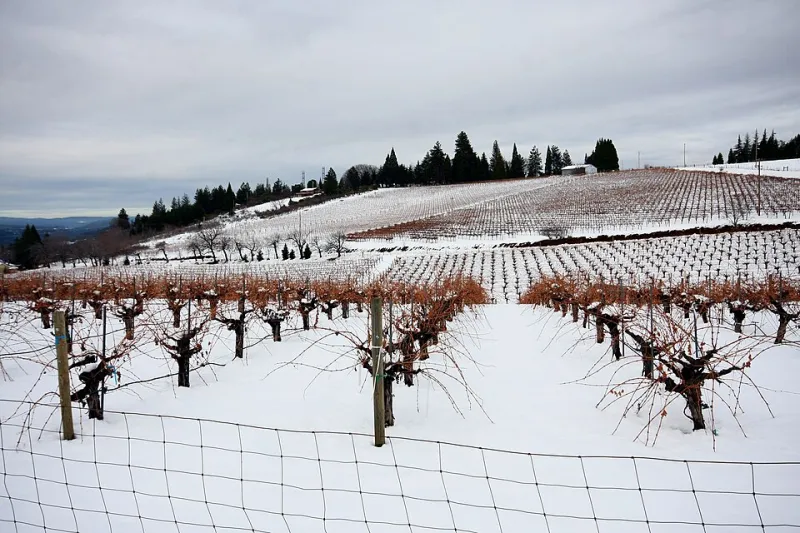
Photo: Martin Cathrae from Charlottetown, PE, Canada, CC BY-SA 2.0, via Wikimedia Commons
On a gray February morning in the Lakes Region, the thermometer reads 4 degrees and the wind coming off the water makes it feel like a dare. Out at the vineyard, the vines look dead — brown, gnarled, half-buried in snow. And yet, ask any grower in New Hampshire and they'll tell you the same thing: this is exactly when the wine business is happening.
Cold-climate viticulture isn't a compromise here. It's the whole identity.
The Grapes That Laugh at February
If you've never heard of Marquette, you're not alone. The grape was only released by the University of Minnesota in 2006, and it was bred for exactly one job: surviving. Descended from Frontenac and tracing lineage back to Pinot Noir, Marquette shrugs off winter temperatures that would kill a Merlot vine outright.
"People assume cold-hardy means character-light," says one Lakes Region winemaker, pulling a barrel sample in a cellar where the walls are frost-furred from November through April. "Then they taste it. Dark cherry, black pepper, sometimes this wild dried-cranberry thing. It's a wine that tastes like where it grew."
Its white counterpart, La Crescent, does similar duty in the vineyard and the glass — high-acid, aromatic, somewhere between Riesling and Muscat, with a citrus snap that makes sense in a state where the growing season can run a hundred days shorter than Napa's. Add in Frontenac, St. Croix, Brianna, and the occasional experimental planting, and you've got a palette of grapes that exist precisely because of the cold, not in spite of it.
Turning a Liability Into a Label
Here's the pivot happening across New Hampshire's roughly two dozen licensed wineries: the best of them have stopped apologizing for the climate and started marketing it. Tasting rooms lean into it. Labels name the hardiness. Winemakers talk about "ice wine conditions" the way surfers talk about swell forecasts.
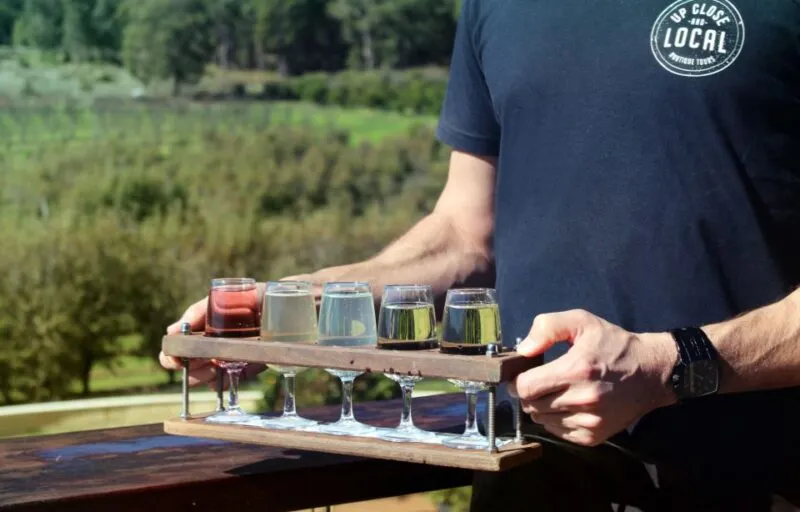
The seacoast operations have their own wrinkle — the ocean moderates temperatures enough to stretch ripening a few extra weeks, which means slightly riper fruit and a different flavor profile than inland bottles. A Marquette grown within ten miles of the Atlantic tastes noticeably rounder than one grown near Wolfeboro. Sommeliers in Portsmouth have started listing both side by side, and the comparison flights have become a quiet cult favorite.
The winemaking itself tends to be hands-on out of necessity. These are small operations — often family-run, often second careers for people who left corporate jobs in Boston or Manchester. There's no reserve program, no blending library spanning decades. What's in the tank this year is what the weather gave them, which makes every vintage a kind of diary entry.
What to Taste For
New to cold-climate wine? Here's the cheat sheet:
- Marquette (red): Medium-bodied, bright acidity, notes of cherry, blackberry, and black pepper. Often done dry, sometimes with a light oak program. Serve it slightly cool — 60 degrees, not room temperature.
- La Crescent (white): Off-dry to semi-sweet, bursting with apricot, citrus, and floral notes. This is the porch-sipper that converts skeptics.
- Frontenac (red or rosé): Juicy and tart, with a signature brambly edge. The rosés are underrated summer bottles.
- Ice-style and late-harvest wines: A handful of producers let fruit hang into genuine New Hampshire winter, picking grapes after a hard freeze. Concentrated, honeyed, and worth the splurge.
A Weekend Trail That Works
You can't exactly串联 wineries in a tight loop — New Hampshire's vineyards are strung out from the seacoast to the Lakes Region to the southwest hills — but that's the point. Here's a two-day route that makes the driving part of the experience.
Day one: the seacoast. Start near Portsmouth and Hampton, where a cluster of coastal producers pour within a twenty-minute radius of each other. Book a morning tasting, grab lunch in Portsmouth's Market Square, then hit a second tasting room in the afternoon. End in Exeter or Durham for dinner — several restaurants now pour local Marquette by the glass.
Day two: the Lakes Region. Take Route 16 or 28 north toward Wolfeboro and the Ossipee area, where hillside vineyards sit close enough to the big lakes to catch the moderating effect of the water. Tastings here often come with the best views in the state — think vine rows sloping down toward water, foliage or lake sparkle depending on the season. Pack a cooler for bottles; several producers sell out of certain vintages by late fall.
Pro tip: Call ahead. Many of these operations keep limited winter hours, and some tastings are by appointment only once the tourist season ends. The upside of a winter visit? You'll often have the winemaker pouring your flight personally.
Why It Matters
New Hampshire will never out-produce California, and no one here is trying. What the state's winemakers are building is something arguably more interesting: a regional wine culture with a genuine sense of place, where the signature style comes from the harshest condition in American viticulture. The cold isn't the obstacle. It's the story in the glass.
So next time someone tells you real wine comes from somewhere sunny, hand them a glass of New Hampshire Marquette. Then watch them reconsider.