Heritage Apples, Historic Barns: Chasing the Granite State's Cider Renaissance
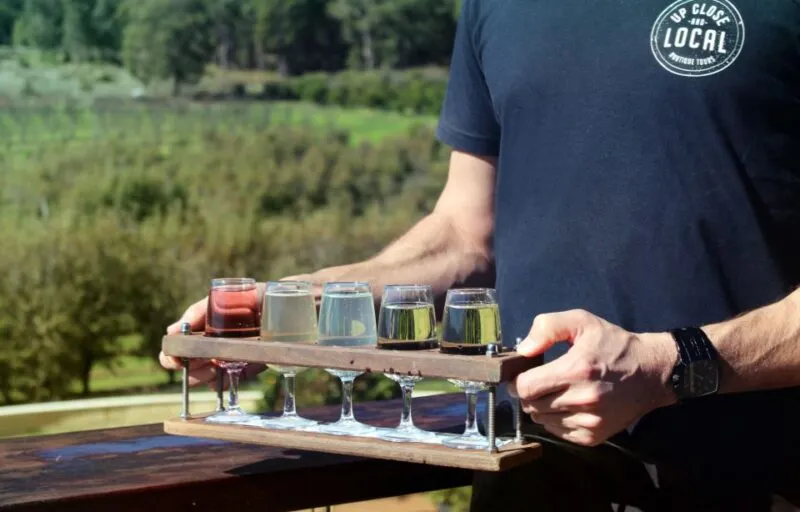
Photo: craft cider tasting room apple orchard barn, via cdn.powertraveller.com
The Apple State Nobody Talks About
Vermont gets the press. Massachusetts gets the tourists. But drive any back road from Hollis to the Lakes Region in late September and you'll see it: gnarled apple trees heavy with fruit, some of them a century old, dropping heirloom varieties most people have never heard of — Wickson, Golden Russet, Dabinett, something your grandfather called a 'spice apple' and nobody has a catalog name for.
New Hampshire's cider scene isn't loud about itself. That's partly New England temperament and partly the nature of the product. Cider takes patience — orchards take years to establish, fermentation takes months, and nobody gets rich doing it. But the producers who've stuck with it are making some of the most interesting fermented drinks in New England, and the tasting rooms they've built feel like the anti-taproom: quiet, wooden, often literally inside a barn that predates the automobile.
Why the Terroir Works
Here's the short agronomy lesson: New Hampshire's rolling hills, cold winters, and well-drained glacial soils are exactly what heritage apple varieties evolved to love. Modern supermarket apples are bred to ship. Heirloom and cider-specific apples are bred to taste — tannic, acidic, complex, sometimes outright strange. The state's climate concentrates sugars and acids in ways that translate directly into the glass.
Cidermakers here have figured out that the old orchard trees scattered across the state — many planted by homesteaders — are a free library of flavors. A few producers have made a name by pressing fruit from trees nobody else wanted, producing single-varietal ciders that taste like nothing on a liquor store shelf.
Three Cidermakers Worth the Drive
The Orchard Traditionalist. South of Manchester, one family-run operation has been pressing apples for four generations and only recently started bottling under its own name. Their flagship is a bone-dry, champagne-adjacent pour made from McIntosh and Golden Russet — bright orchard fruit on the nose, a mineral snap at the finish. The tasting room is the original 1890s barn, and on fall weekends the smell of pressing fruit hangs in the air like a perfume you can't buy.
The Wild Fermenter. Tucked into the Seacoast region, this small producer ferments everything with native yeast and isn't interested in consistency — and that's the point. One batch might lean funky and farmhouse-y, the next bright and citrusy, depending on what the season gave them. Ask for whatever's in barrel. The answer changes monthly.
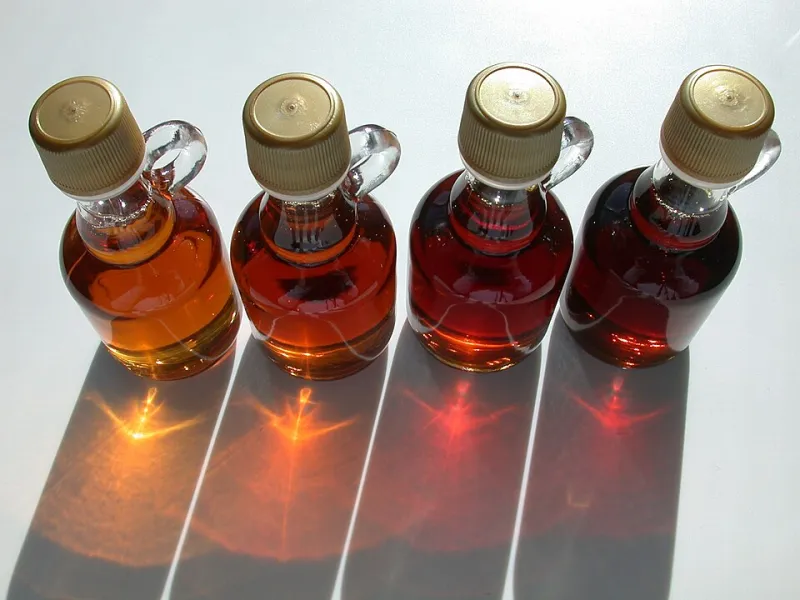
The Ice Cider Experimenter. Up toward the White Mountains, where temperatures reliably plummet, one cidery has borrowed a page from the maple world: pressing late-harvest apples and letting the cold concentrate the sugars naturally. The result is a dessert cider — amber, honeyed, almost maple-syrup adjacent — that pairs shockingly well with a sharp New Hampshire cheddar.
A Weekend Cider Trail
Saturday morning: Start south, near the Massachusetts line, where the orchards are oldest. Tastings typically run $8–$15 and include a keepsake glass. Buy a bottle of anything single-varietal; those are the bottles that never make it out of state.
Saturday afternoon: Wind north with a stop at a farm stand for cheese and apples — cider tasting rooms are usually BYO-snack friendly, and the producers will tell you honestly what pairs well.
Saturday evening: Book a room in Concord or Peterborough and eat somewhere with cider on the draft list. More restaurant taps across the state are pouring local now, and a dry 603 cider alongside a bowl of chowder is a legitimately great pairing.
Sunday: Head toward the mountains, stopping at the ice cider producer on the way. Save the dessert bottle for after dinner — or don't. You're on vacation.
Tasting Notes, Quick and Dirty
- Dry heritage blend: Orchard fruit, hay, a whisper of tannin. The gateway bottle.
- Wild ferment: Funky, lemony, cidre-normande vibes. Not for everyone; revelatory for some.
- Ice cider: Honey, baked apple, candied ginger. Serve cold, pour small, sip slow.
The Granite State may never out-shout its neighbors, but that was never the plan. The plan, as one cidermaker put it while hosing down his press, is to 'make something worth driving a dirt road for.' Mission accomplished.