Wheels, Wedges, and Winding Roads: A Weekend Route Through New Hampshire's Farmstead Cheese Country
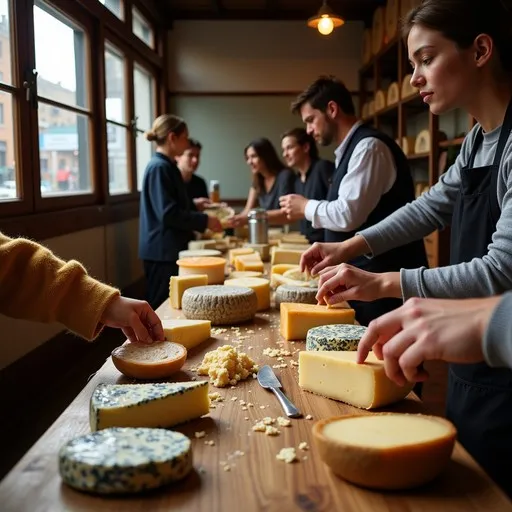
Photo: artisan cheese wheels tasting board farm creamery, via images.stockcake.com
Vermont gets the postcards, but New Hampshire has quietly built a farmstead cheese scene that rivals anything in New England. We're talking goat dairies where you can watch milking at 7 a.m., and North Country aging rooms turning out wheels with the kind of nutty depth usually reserved for imports with French names. The best part? Almost all of it is reachable in a single weekend loop.
We drove the route in late summer, cooler in the trunk, and came home with a trunk full of cheese and a new appreciation for how much flavor fits inside the 603.
Day One, Morning: Lakes Region Goat Country
Start where the water is. The Lakes Region's rolling pastures have become home to several small goat dairies, and the cheeses coming out of them are anything but one-note. Expect fresh chèvres dusted with herbs, young tomme-style wheels, and — if you time it right in spring — the seasonal batch that sells out by June.
Tasting rooms here are working farms first, shops second. That means you might sample your wedge at a counter overlooking an actual pasture, and you should absolutely ask what the goats are eating. Grass-fed milk changes the flavor profile — brighter, cleaner, with a grassy finish that pairs beautifully with a crisp white.
Pair it: A dry Seyval Blanc or unoaked Chardonnay from a New Hampshire winery cuts through fresh goat cheese like it was designed for the job. Several Lakes Region vineyards are within twenty minutes of the dairies.
Day One, Afternoon: The Merrimack Valley Stop
As you head inland, the route bends toward the Merrimack Valley, where a couple of small producers specialize in aged cow's milk cheeses — think gouda-style wheels and clothbound cheddars with a crystalline crunch. These are the cheeses that convert people who claim they "don't get" artisan cheese.
Pro tip: many of these shops sell out of their most popular wheels by Saturday afternoon. Go early, or call ahead to reserve. And don't skip the seconds bin — slightly imperfect wheels at a discount are the insider's move.
Pair it: Aged cheddar wants a red with some backbone. Look for a Maréchal Foch or a reserve Cabernet Franc from a Granite State winery — lean, earthy reds that won't steamroll the cheese.
Day Two, Morning: North Country Alpine Ambitions
The drive north is half the point. Route 16 and the back roads of Coös County deliver exactly the scenery you'd hope for, and at the end of it, the state's most ambitious cheese: alpine-style wheels aged for months, some in actual converted aging rooms with carefully controlled humidity.
These are big cheeses — firm, toasty, with caramel notes that deepen the longer they age. Ask the cheesemaker what's in the reserve stock. Every farm has a few wheels they're proudest of, and they don't always make it to the front shelf.
Pair it: Alpine wheels love a rich white or a light amber wine. A New Hampshire estate Traminette or a late-harvest dessert pour alongside an aged wheel is a genuinely memorable pairing.
Day Two, Afternoon: The Long Way Home
Loop back through the White Mountain foothills, where you'll pass farm stands that stock local cheeses alongside maple and honey — a good chance to fill gaps in your cooler without backtracking. If you're smart, you saved room for one final stop: a creamery doing washed-rind work, the funkier, stickier end of the spectrum that most New Hampshire tasters never get to try.
Logistics: How to Actually Pull This Off
- Timing: Late May through October is your window. Spring brings fresh goat cheeses; fall brings the newly released aged wheels.
- Call ahead: Many farmstead creameries have limited weekend hours or close for farm chores. A five-minute phone call saves a two-hour detour.
- Bring a cooler: Non-negotiable. Aged wheels can ride in a cool bag for a day; fresh chèvre cannot.
- Buy the flight, not the block: Most tasting rooms offer sampler cuts. Get one of everything, taste side by side, then commit.
- Book the wine stop: A few of the state's smaller wineries pour by appointment only. Pair your cheese pickups with a scheduled tasting to break up the driving.
Why This Route Matters
New Hampshire's cheese makers aren't chasing scale — they're chasing character. Every wheel reflects a specific pasture, a specific herd, a specific season. Tasting your way across the state in a single weekend is the closest thing New England food lovers have to a mini tour of Europe's dairy regions, minus the airfare and with much better maple on the side.
Fill the tank, clear the cooler, and go taste what the 603 has been quietly aging.