Nine Miles of Brine: Why Oyster Lovers Are Driving Past Boston for New Hampshire's Tiny Coast
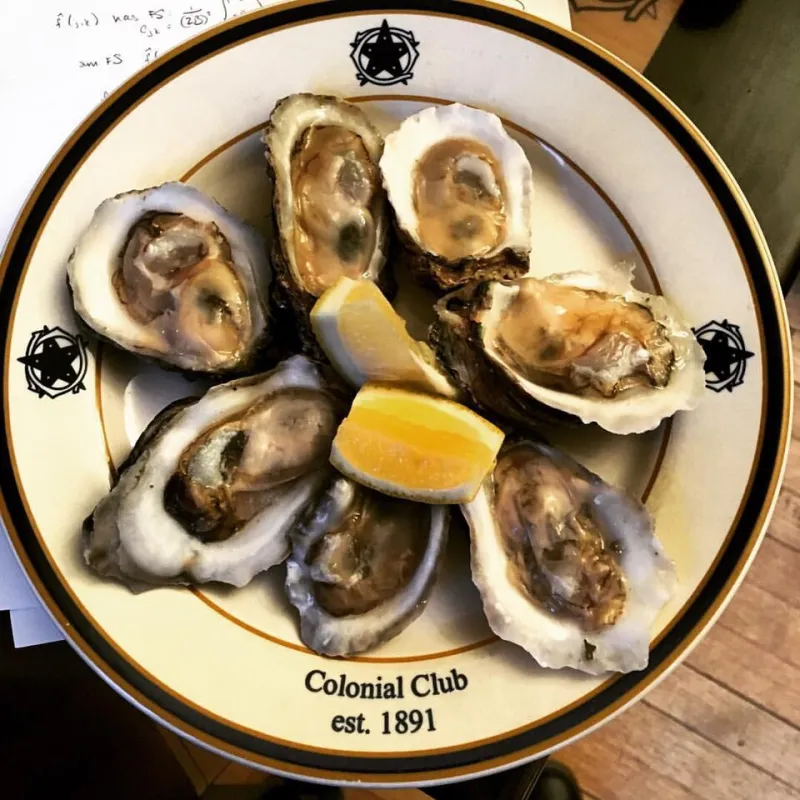
Photo: YuChristopherJ, CC BY-SA 4.0, via Wikimedia Commons
There's a running joke among New Englanders that you can blink and miss New Hampshire's coastline. At roughly eighteen miles of tidal shoreline — and only about nine if you're measuring the direct beach run — it's the shortest ocean frontage of any coastal state in the union. And yet, on a Friday afternoon in August, the parking situation in Rye Harbor suggests otherwise.
The reason is sitting on ice, usually in a galvanized bucket, with a little tag sticking out of it: Piscataqua, Nonesuch, Little Bay. New Hampshire oysters. Grown a few miles up the seacoast, shucked to order, and chased with a cold glass of something crisp from a winery forty minutes inland. It turns out you don't need a long coast to build a serious raw bar culture. You just need good water, obsessive people, and a highway that runs close to both.
The Boom Nobody Saw Coming
A generation ago, Great Bay — the estuary that feeds much of the state's oyster supply — was in rough shape. Pollution and runoff had collapsed the native oyster population, and the idea of a New Hampshire oyster industry would have gotten you laughed off the dock in Portsmouth.
Today, small-scale aquaculture has quietly changed the math. A handful of licensed growers, many of them one- or two-person operations, tend cages and floating bags in the Piscataqua River watershed and its tributaries. The oysters they raise benefit from the same thing that makes the region's waters cold and nutrient-rich: serious tides. The Piscataqua sees some of the fastest tidal currents on the East Coast, and that constant flushing produces oysters with a clean, briny snap that East Coast shucking competitions have taken notice of.
Ask the growers why they do it here instead of somewhere with more coastline, and most will tell you the same thing: the water is the product. Short coast, strong tides, cold temperatures. The geography that makes the seacoast small also makes it distinctive.
The Shuckers Are the Show
What separates a New Hampshire oyster bar from a raw bar anywhere else isn't only what's in the shell — it's who's behind the counter.
At the handful of counter-style spots strung along Route 1A between Hampton Beach and Rye, the shuckers tend to be lifers. Many grew up hauling lobster traps or working the fish piers in Hampton and Seabrook, and they can tell you which farm your oyster came from, what the salinity was like last week, and whether you should really be putting mignonette on that particular bivalve (sometimes the answer is no — a splash of the liquor and nothing else).
There's a rhythm to a good New Hampshire raw bar around 4 o'clock, when the beach crowd thins and the day-trippers from Boston start rolling in. That's when the counter gets loud, the ice gets refreshed, and the conversation turns to the eternal question: locals or visitors? The honest answer is both. Massachusetts plates in the lot, New Hampshire accents at the bar.
A One-Day Tasting Route, Hampton to Rye
If you want to eat your way up the state's entire oceanfront in a single afternoon — a genuinely achievable goal — here's the route.
Start in Hampton Beach, late morning. Skip the fried-dough line and head to one of the seafood counters near the harbor side, where you can get a half-dozen oysters and a cup of chowder for the price of a parking spot in Boston. Order the local oysters if they're on the board; the out-of-state ones will be there next time.
Midday, North Hampton and Rye. Work your way up 1A as it hugs the water. Pull over at the state parks for the views — Wallis Sands on a clear day looks out at the Isles of Shoals — but save your appetite. The Rye stretch is where the sit-down raw bars cluster, several with outdoor counters that face the harbor. This is the place to do a proper flight: order oysters from two or three different farms and taste them side by side. The differences are real. One will taste like cucumber and sea salt; the next, deeper and mineral-heavy.
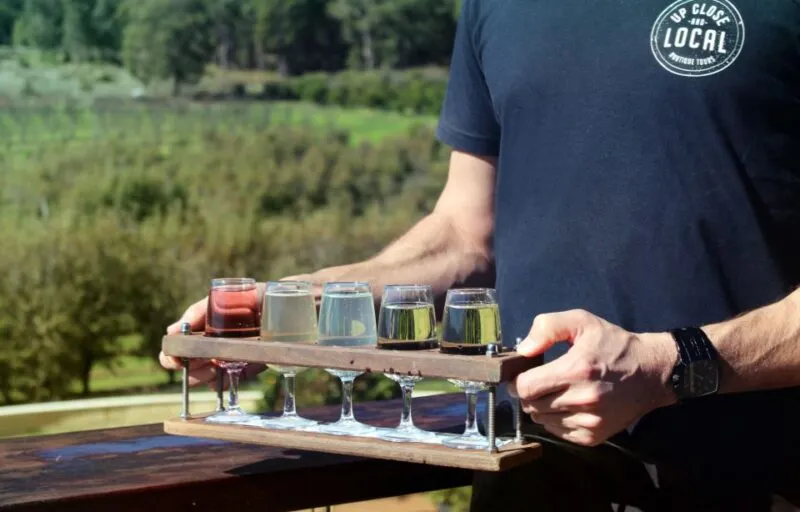
Late afternoon, Rye Harbor. Watch the boats come in with a glass of white wine or a local pilsner. Several of the harborside spots pour New England wines and ciders alongside the shells, and a dry, cold apple cider from over the border in Hampton Falls is a better oyster companion than most people give it credit for.
Optional detour, Portsmouth. Fifteen minutes north, the city's restaurant row has embraced local oysters with the enthusiasm of a place that remembers when there weren't any. If you've got room left, a final half-dozen at a Portsmouth raw bar makes a fitting finish line.
Timing Your Trip
September and October are the sweet spot. The water has been warm all summer, the oysters are plump, the beach traffic has thinned, and the leaf-peeping crowd hasn't yet discovered that the coast is a great alternative to the mountains. Weekdays, if you can swing it — the Route 1A parking reality on a sunny Saturday is the one thing about the New Hampshire coast that genuinely is Boston-grade.
Nine miles isn't much. But eaten one oyster at a time, it goes a long way.