Birch Sap, Barrel Smoke, and a Legal Loophole: How New Hampshire Became an Unlikely Spirits Destination
Photo: Tallis, John, 1817-1876 Bigot, Charles Gaspey, William, 1812-1888, Public domain, via Wikimedia Commons
The State Nobody Picked Is Winning Anyway
Ask a New England drinker about craft spirits and you'll get the usual answers: Vermont's farm-to-bottle vodka, Maine's juniper-forward gins, maybe a nod to Massachusetts rum. New Hampshire rarely comes up. That's about to change, because the Granite State's distillers have been doing something quietly subversive — making spirits that could only come from here.
We're talking birch sap harvested in mud season and fermented into a delicately sweet white spirit. Apple brandy distilled from fruit picked in orchards planted before the Civil War. A maple bourbon that tastes like the sugarhouse floor smells. And the medals keep coming home from national competitions that most tourists have never heard of.
Three Distillers, Three Obsessions
The Birch Sap Believer
In the Lakes Region, a small operation taps paper birch the way others tap maples — except birch sap runs later, flows faster, and ferments into something floral and faintly woodsy that defies easy comparison. The distiller we spoke with, who asked us to just call him the sap guy, runs his still on a schedule dictated entirely by the trees. "You get about three weeks a year," he told us, gesturing at a stack of totes. "Miss it and you're waiting twelve months."
The result is a spirit that bartenders in Portsmouth and Portland are fighting over — lightly sweet, clean, and unlike anything made from grain.
The Orchard Detective
Down in the Seacoast corner of the state, another producer has made a name tracking down heritage apple varieties — some with names you've never heard, growing on trees older than the state's most famous covered bridges. The brandy that comes off the still is round and aromatic, closer to a fine Calvados than the fiery applejack your grandfather remembered.
The trick, we learned, is patience. Single-varietal presses, long fermentations, and a stubborn refusal to rush anything into a bottle. "The apples did the work for a hundred years before I showed up," the distiller shrugged. "My job is not to ruin it."
The Maple Maverick
And then there's the North Country, where one distillery has built a small cult following around a bourbon finished with dark maple syrup from a neighboring sugarhouse — not sweetened, just kissed. It's become the kind of bottle people drive two hours for, and the kind that sells out at the state liquor stores within a week of arriving.
The Quirky Laws That Cut Both Ways
Here's where New Hampshire gets strange. The state controls all wine and spirits retail through its own Liquor Commission, which means every distillery's product has a shot at shelf space in stores that see enormous out-of-state traffic — anyone driving to the White Mountains or the coast passes one eventually. That's a distribution dream most small producers elsewhere would kill for.
But the same system comes with friction. Fees, compliance paperwork, and tasting-room rules that can feel like they were written by someone who's never stood behind a bar. Several distillers described the relationship as "helpful and suffocating at the same time." A recent round of regulatory tweaks has loosened things slightly — tasting rooms can pour more freely now — and the boom has followed.
Your Weekend Tasting Trail
Ready to taste for yourself? Here's the route we'd run:
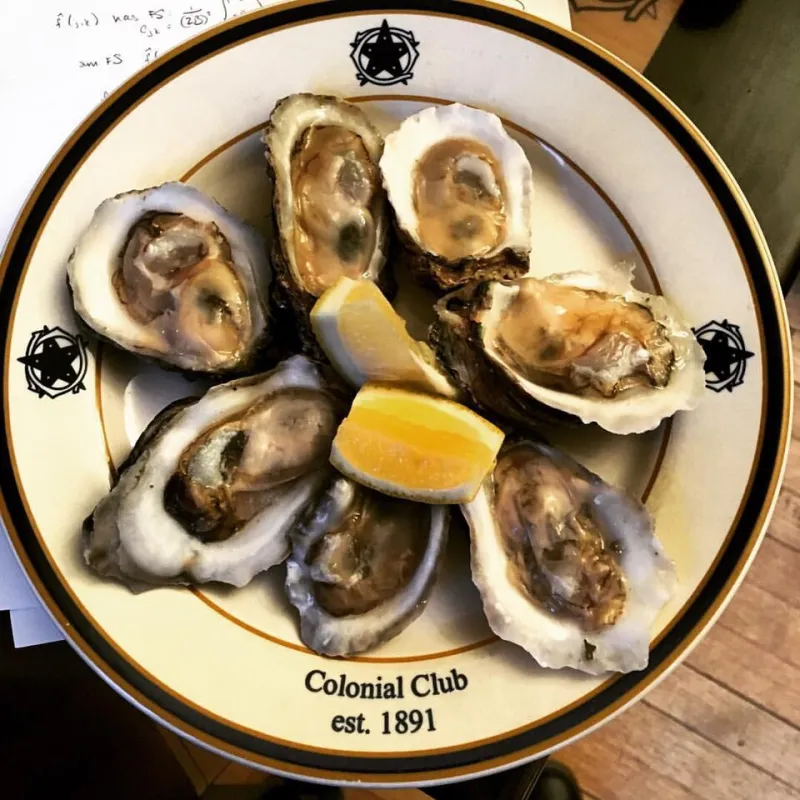
Day One — Seacoast to Lakes: Start near Portsmouth with a heritage-apple brandy flight, grab lunch at a harborside raw bar, then wind north to the Lakes Region for the birch sap spirit. Book tastings ahead — these are working distilleries, not tourist attractions, and hours shift with the seasons.
Day Two — North Country: Push up toward the White Mountains and beyond, stopping at the maple-bourbon producer on your way through. Pair the drive with a detour to a sugarhouse store, and finish with dinner at one of the North Conway restaurants that have started putting local spirits on their back bars.
Pro tips: Designate a driver or book a guided tour — some of these roads are winding even in good weather. Bring a cooler; several distilleries will hand you bottles they can barely keep in stock. And ask questions. Unlike the big Vermont operations, you'll likely be talking to the person who actually runs the still.
Why It Matters
New Hampshire's distillers aren't trying to out-Vermont Vermont. They're making spirits that taste like this specific patch of New England — its orchards, its trees, its mud-season stubbornness. The medals are nice. The story in the glass is better.