Pour Decisions: The Pizza Shops Turning New Hampshire Into a Natural Wine Town
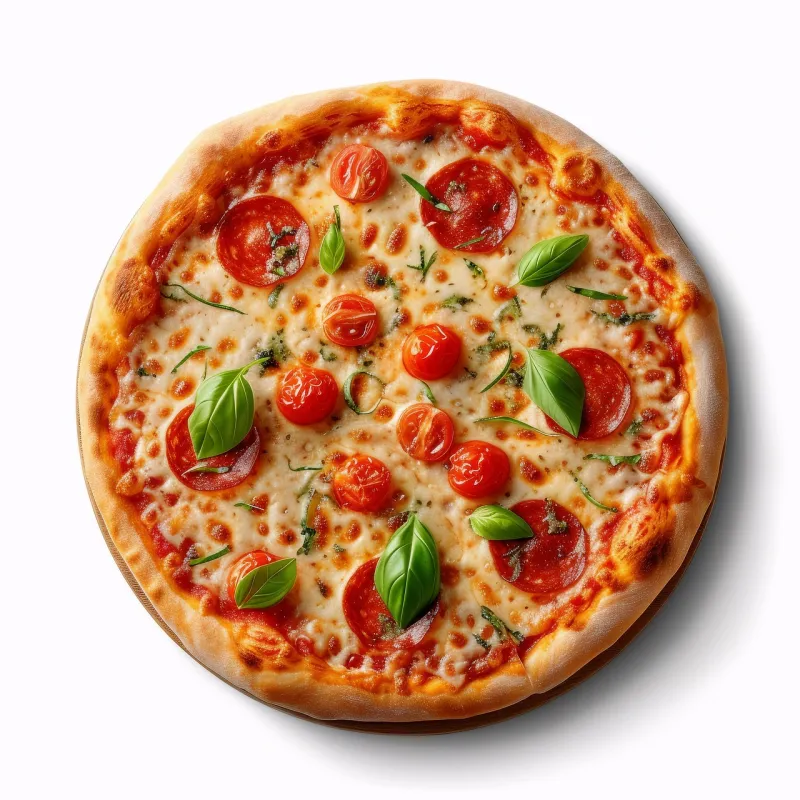
Photo: pizza counter natural wine glasses pizza shop New Hampshire, via cdn.pixabay.com
At 6:15 on a Friday in November 2026, a pizza shop in Dover is doing what pizza shops do. The oven is hot. The counter is crowded. A stack of white boxes is growing. But next to the register, taped to the side of a small wine fridge, is a list that would have looked out of place in a New Hampshire pizza shop a few years ago: a pét-nat from the Loire, a chilled red from the Jura, a sherry by the glass, and a dry cider from a New Hampshire orchard.
The person behind the counter is not a sommelier. She is the assistant manager. She is happy to tell you the red is served cold, and that the sherry goes with the mushroom pie. This is not a wine bar. It is a pizza counter. That is exactly the point.
The Counter Is the New Wine Bar
A growing number of New Hampshire pizza shops and Italian bakeries are pouring low-intervention wines, sherries, and ciders alongside slices and pastries. The lists are short. The glassware is simple. The prices are lower than a restaurant wine list, and the pressure is lower, too. You can order a slice and a glass of something funky without committing to a three-course dinner or a lecture about terroir.
For New England drinkers, that matters. The traditional wine bar can feel like a club. The pizza counter does not. It is loud, bright, and full of people who are just trying to figure out what to eat. Wine fits into that scene more naturally than it does into a white-tablecloth dining room.
Why Pizza Makes Sense
Pizza is a wine-friendly food by accident. Tomato sauce has acidity. Cheese has fat. Crust has salt and char. A chilled red with a little grip cuts through a pepperoni pie. A sparkling white cleans up the oil. A sherry, which is often overlooked, is one of the best matches for a mushroom or onion pizza. And cider, especially the dry, farmhouse-style ciders made in New Hampshire, might be the most natural pairing of all.
The casual counter format also lets people try something new without spending a lot. A glass of orange wine is a smaller risk than a bottle. If you do not like it, you still have pizza.
The New Hampshire Twist: State Stores, Small Allocations, and Cider
New Hampshire's state-controlled liquor system shapes the wine scene in ways that are easy to miss. Restaurants and shops work through state stores and special orders, which can make small-production wines harder to get than they are in Boston or New York. But the constraint has also created a certain scrappy energy. A pizza shop cannot rely on a deep allocation of natural wine, so it builds a list from what it can get: a few cases here, a special order there, a local cider that is always available.
That is why the lists at these counter spots often feel personal. They are not built by a corporate beverage director. They are built by someone who tasted a wine at a trade event, ordered a case, and hoped the customers would trust them. In 2026, more customers are trusting them.
What Gets Poured (and What Gets Sold Out)
The lists tend to favor wines that are easy to drink and easy to talk about. Pét-nat is popular. Chilled reds are popular. Skin-contact whites, sometimes called orange wines, show up often. Sherry is having a moment, especially dry styles like fino and manzanilla. Local cider is a staple, and not just for people who do not drink wine.
The bottles that sell out fastest are usually the ones with a story. A wine made by a small producer in the Loire. A cider from a farm in the Monadnock region. A sherry that someone brought back from a trip. The staff will tell you about it if you ask. They will also tell you if it is not for you. That kind of honesty is more useful than a wine list with a hundred options.
The Bakeries After Dark
Italian bakeries are getting in on the act, too. In Manchester and Nashua, a few bakeries have started evening hours with wine, pastries, and small plates. The idea is simple: the case is already full of sfogliatelle, cannoli, and cookies. Why not open a bottle? The result is a hybrid that feels very New Hampshire: a bakery counter, a few stools, a glass of wine, and a room full of people who are not in a hurry.
These spots are not trying to be trendy. They are trying to use what they have. A bakery already has a license for food. It already has a counter. It already has a customer base that trusts it. Adding wine is a small step, not a reinvention.
A More Approachable Pour
Natural wine can be intimidating. The labels are strange. The flavors can be wild. The prices can be high. But at a pizza counter, the stakes are lower. You are not committing to a bottle. You are not sitting through a tasting. You are eating a slice and drinking a glass of something that might taste like sour cherries or bruised apples or a barnyard in the best possible way.
That is why the pizza-shop wine list matters for New England drinkers. It makes wine feel like part of everyday life again. It takes the ceremony out of it. And in a state where the best food is often served at a counter, that feels exactly right.