Paper Plates, Fierce Pride: A Season Inside New Hampshire's Kitchen Rivalries
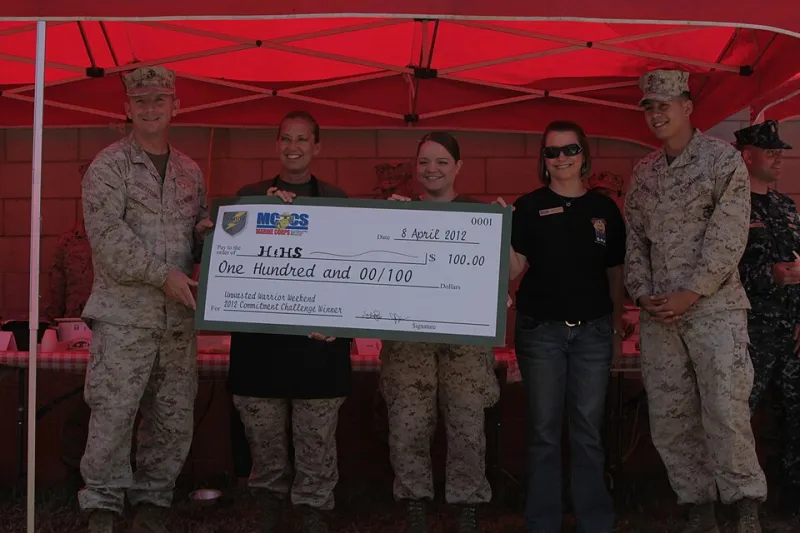
Photo: Lance Cpl. Michelle Piehl, Public domain, via Wikimedia Commons
There's a moment at every New Hampshire cook-off that outsiders don't expect. It happens right after the tasting, when the judges huddle over their scorecards and the room goes quiet enough to hear the coffee urn gurgle. A recipe that's been guarded for three generations is about to be measured against the neighbor's — on a paper plate, under fluorescent lights, in a room that smells like snow boots and slow cookers.
Nobody here would trade it for a tasting menu.
The Circuit Nobody Markets
Between January and March, when the ski crowds get the headlines, a parallel food season hums along in firehouse bays, VFW halls, and church basements from Laconia to Keene. The chili cook-off at the Holderness fire station. The rotary chowder challenge that draws crockpots from three towns over. The grange hall soup contest where the entry form asks, without irony, for your "secret or not-so-secret ingredients."
These events rarely have websites. You find them on library bulletin boards and in the local paper's events column, sandwiched between the blood drive and the bean supper. That's part of the charm — and part of the point. This is food culture that exists because someone wanted to raise money for the youth hockey program, not because anyone was building a brand.
The Rivalries Are Real
Spend one afternoon listening to the trash talk at a chowder contest and you'll understand: these are not casual affairs. There's a woman in the Lakes Region who has placed in the top three at her town's chowder challenge eleven years running, and her competitors have opinions about her. Specifically about her clam liquor — the briny liquid she refuses to explain, which everyone suspects involves bottled clam juice and a stockpot she doesn't talk about.
The venison chili division is even spicier, figuratively and literally. Hunters compare notes on cuts and grind ratios all fall, then go silent in January. One competitor told us his rub "came over on the boat" with his great-grandmother, which we could neither verify nor forget.
What the Judges Actually Judge
The scoring sheets are more sophisticated than you'd guess. Most contests break it into taste, texture, appearance, and — the category that sinks more entries than any other — "overall impression." A chili that's technically excellent but arrives lukewarm because the crockpot was unplugged to run the raffle table will lose to a merely good chili served hot with pride.
Judges are usually local dignitaries: a selectman, the high school principal, whoever owns the hardware store. The best ones take a palate-cleansing sip of water between entries and keep notes like they're grading a thesis. The worst ones fill out everything in advance, and the room knows it.
Why This Is the State's Most Accessible Food Event
Here's the argument at the heart of it: a $10 tasting ticket at a cook-off gets you a dozen dishes, a conversation with every cook, and a vote in the people's choice award. Compare that to the economics of a tasting menu and the math isn't close. Add in that kids are welcome, seconds are usually allowed once the judging is done, and the recipes often end up in a spiral-bound fundraiser cookbook, and you've got the most democratic dining experience in the Granite State.
You also get provenance that no restaurant can match. The chowder you're tasting was made by someone whose grandfather fished the same water. The apples in that chili came from an orchard you drove past to get here.
How to Work the Circuit
A few tips from a winter of research:
- Check town websites and library boards in early January. Most events are scheduled before the snow flies and promoted the old-fashioned way.
- Bring small bills. Tasting tickets and raffle entries are cash operations.
- Try the entry with the longest line of locals. They know things.
- Buy the cookbook if there is one. The winning recipes are almost always in it, sometimes with the one ingredient deliberately left vague.
The chili contest season ends when the mud season begins, and the crockpots go back into storage until next year. The rivalries, of course, simmer all summer.
If you want to understand how New Hampshire actually eats — not the farm-to-table version, but the version served on paper plates to neighbors — this is where you'll find it. Bring an appetite and a coat for the car. The basements are warm, but the parking lots aren't.